


Americans are sending a powerful message: They’re tired of a government that appears more responsive to wealthy insiders than to the people it’s supposed to serve.
New reporting reveals widespread concerns about corruption, the consequences of federal workforce cuts, and questions about whether major climate promises are backed by evidence. Meanwhile, military spending, private prison contracts, and unfinished disaster recovery raise urgent questions about public priorities.
These stories expose a fundamental issue: Who benefits from decisions made in our name, and who is held accountable when those decisions fail us?
Public power belongs to the people. So does the right to demand answers.
Top News Stories & Headlines
🏛️ Government corruption ranks among Americans’ biggest concerns
A new national survey finds government corruption is now one of Americans’ leading concerns, second only to the cost of living. In an online poll of 2,065 adults, nearly nine in ten respondents described government corruption as a problem, while 76% said elected officials care more about enriching themselves than improving people’s lives. The October 22–24 survey also found substantial concerns about billionaire influence, corporate lobbying, and the fairness of the tax system. The findings measure public perceptions, not proven misconduct by particular officials. But they reveal a serious crisis of trust. When Americans question whether government serves ordinary people or wealthy insiders, transparency and independent oversight become essential. Public office is a responsibility, not a private business opportunity. The Guardian.
🌎 Investigation questions decades of carbon-capture promises
An investigation into carbon capture and storage reveals how a 2005 United Nations scientific report helped establish confidence in a technology that remains difficult to deploy at meaningful scale. Reporters examined how experts used a confidential survey to estimate the likelihood that captured carbon dioxide would remain underground, despite limited experimental evidence. Fossil fuel interests promoted the technology as a way to continue using oil, gas, and coal while controlling emissions. Two decades later, major projects have encountered technical problems, high costs, and limited deployment. Carbon capture may still have useful applications, but its potential must be evaluated against real performance. Governments should not commit enormous public resources to climate promises without rigorous evidence, independent oversight, and measurable results. ProPublica.
🏢 Nearly one in five federal employees have left government service
A new analysis of federal workforce records finds approximately 426,000 full-time employees left government service during the first 18 months of President Trump’s second administration. After accounting for new hires and reinstatements, the federal workforce declined by approximately 12%, reaching about 1.94 million employees. Most departures involved resignations or retirements rather than direct dismissals. Federal officials defend the reductions as efforts to improve efficiency and eliminate waste, while critics question their effects on public services and institutional expertise. The analysis also identifies disproportionate impacts on Black federal workers. Staffing reductions alone do not establish whether government services have improved or deteriorated. Those consequences require measurement. Americans deserve capable public institutions, transparent staffing decisions, and accountability for how their government operates. The Independent.

⚠️ Senator warns of potential escalation in the Iran war
Senator Chris Murphy has raised serious concerns following a classified briefing about possible U.S. military operations against Iran after the midterm elections. Murphy warned that the plans under consideration could dramatically escalate the conflict and undermine legal restraints on military power. The precise operational proposals have not been independently disclosed in full, and a briefing does not mean that every discussed option will be carried out. Nevertheless, the warning raises questions about congressional oversight, civilian protection, and the administration’s authority to expand military operations. Americans deserve meaningful debate about the costs and consequences of war, including risks to service members and civilians. Decisions involving military force must remain subject to constitutional safeguards and public accountability. Truthout

🌐 Arab parties emerge as potential power brokers after Israel’s election
Israel’s parliamentary election has produced no clear governing majority, potentially giving Arab parties an unusually influential role in coalition negotiations. With more than 90% of votes counted in the reported update, Benjamin Netanyahu’s Likud party led the field, but his political bloc appeared short of the seats required to govern. Arab parties were on track to secure an unprecedented 19 seats. Their participation could affect whether an alternative coalition becomes possible, although its composition remains uncertain. Netanyahu has alleged electoral misconduct by Arab parties without presenting evidence supporting that allegation. The final seat distribution and coalition negotiations will determine what follows. The development highlights the importance of political representation, minority participation, and respecting electoral institutions even when results are inconclusive. Democracy Now
📊 New survey reveals widespread dissatisfaction among Hispanic Americans
New analysis of the 2026 American Values Survey finds 74% of Hispanic Americans believe the country is heading in the wrong direction, while 77% disapprove of the federal government’s handling of undocumented immigration. Economic insecurity is another major concern: 58% worry their families may struggle to afford housing and basic expenses over the coming year. The analysis also identifies concerns about racial discrimination, voter eligibility requirements, and public confidence in elections. Hispanic Americans hold diverse political views, and dissatisfaction does not automatically translate into support for any party or candidate. But the findings reveal pressures affecting millions of families. Responsive government requires listening to communities, protecting equal treatment, and ensuring that eligible citizens can exercise their voting rights. In These Times.
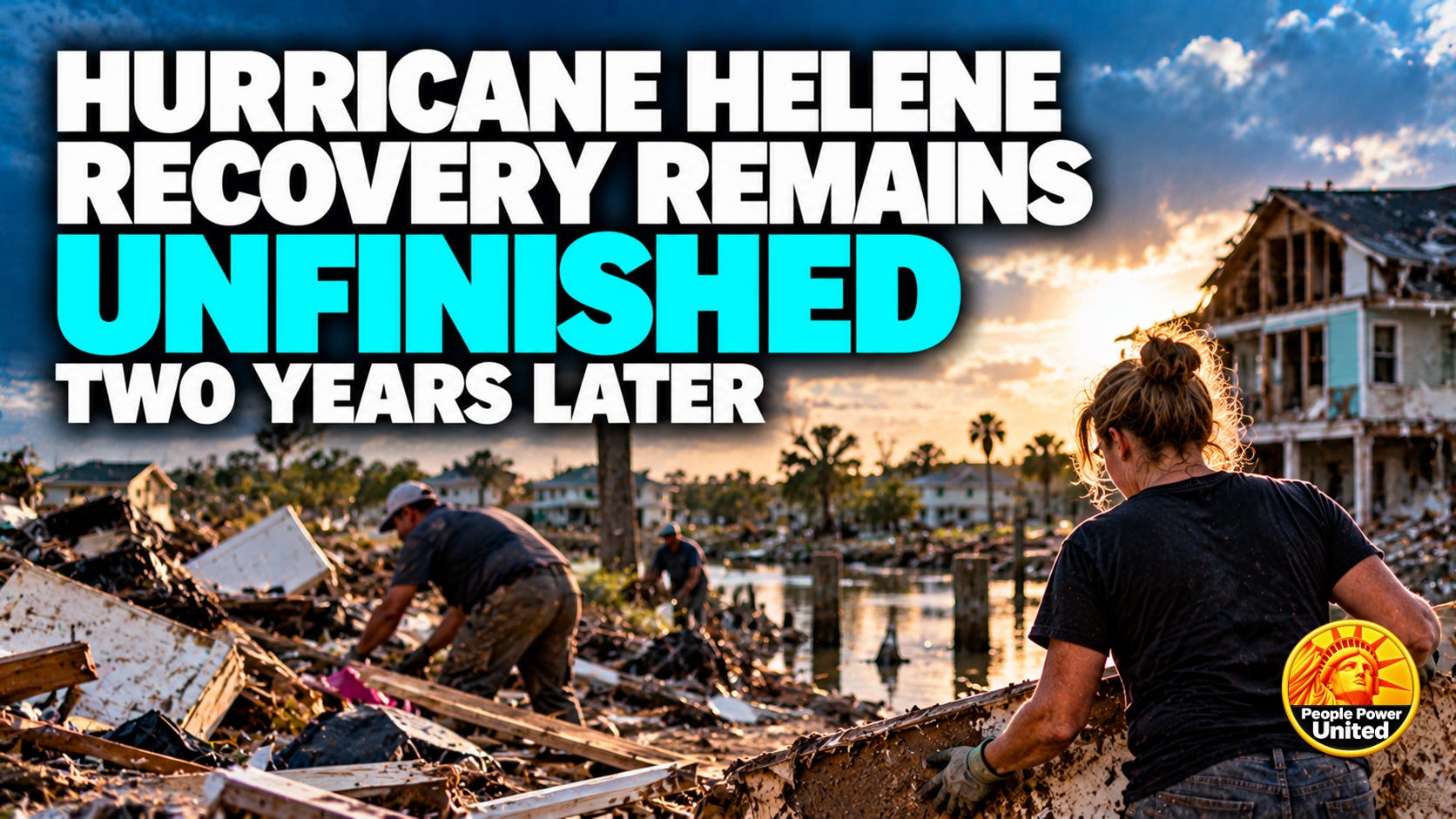
🌧️ Hurricane Helene recovery remains unfinished two years later
Two years after Hurricane Helene devastated western North Carolina, communities are still confronting damaged infrastructure, financial strain, and an enormous gap in recovery assistance. The disaster created nearly $60 billion in damage and recovery needs, while approximately $10 billion in federal assistance has been provided so far. State estimates place unmet needs at roughly $41 billion. Residents interviewed during early voting described continuing frustration with the pace of rebuilding and government responsiveness. Officials from both parties have defended their roles and disputed responsibility for delays. Disaster recovery is not a campaign slogan. It involves homes, roads, businesses, public safety, and families trying to rebuild their lives. Communities deserve transparent funding decisions, dependable assistance, and clear accountability across federal and state government. Grist.

💰 Private prison companies pour millions into political campaigns
Campaign finance records show that political committees and executives associated with three major private prison companies contributed nearly $1.2 million during the 2025–2026 election cycle. A subsidiary of GEO Group separately contributed $4.4 million to MAGA Inc., a political committee supporting President Trump. The reporting also documents more than $1 billion in immigration detention contracts awarded to CoreCivic and GEO Group during Trump’s second administration. Political contributions are legal when they comply with applicable requirements, and donations do not establish that government contracts were improperly awarded. Still, the combination of substantial public contracts and political spending raises questions about access, influence, and accountability. Taxpayers deserve to know how detention contracts are awarded and whether public decisions serve legitimate government purposes rather than private financial interests. The Appeal
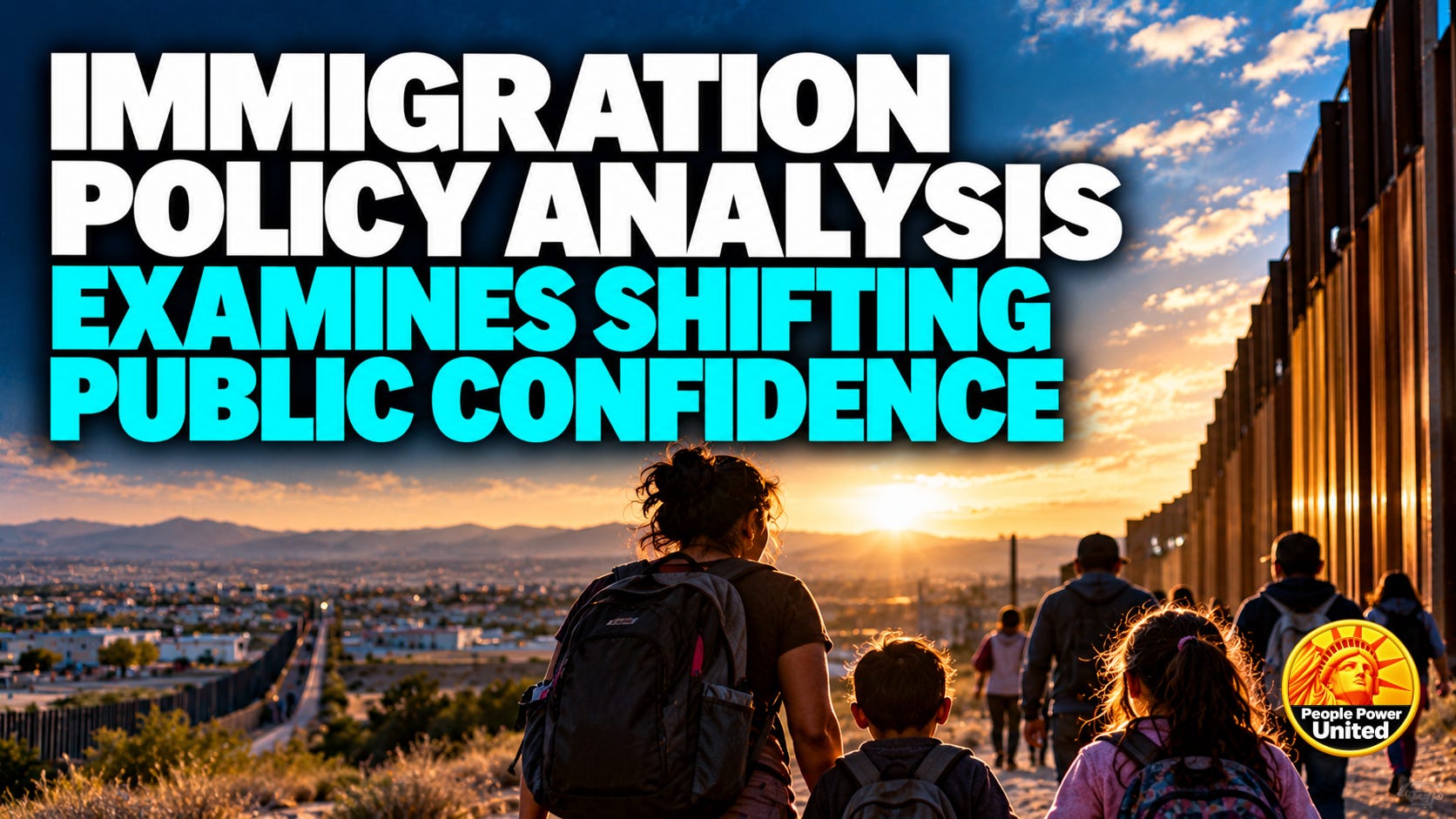
🧭 Immigration policy analysis examines shifting public confidence
A newly published political analysis examines changing public attitudes toward immigration enforcement under President Trump’s second administration. Drawing on national polling, the author describes growing dissatisfaction with aggressive enforcement practices and a shift in which party respondents trust to handle immigration. The analysis argues that immigration has become less advantageous politically for Republicans than it was during earlier election cycles. Those interpretations concern voter attitudes, not established predictions about election outcomes. More fundamentally, the article identifies unresolved policy questions surrounding border administration, enforcement practices, legal status, and immigration courts. Governments must maintain lawful procedures while respecting constitutional rights and humanitarian obligations. Durable immigration policy requires more than political messaging. It requires workable rules, congressional oversight, and institutional accountability. Salon
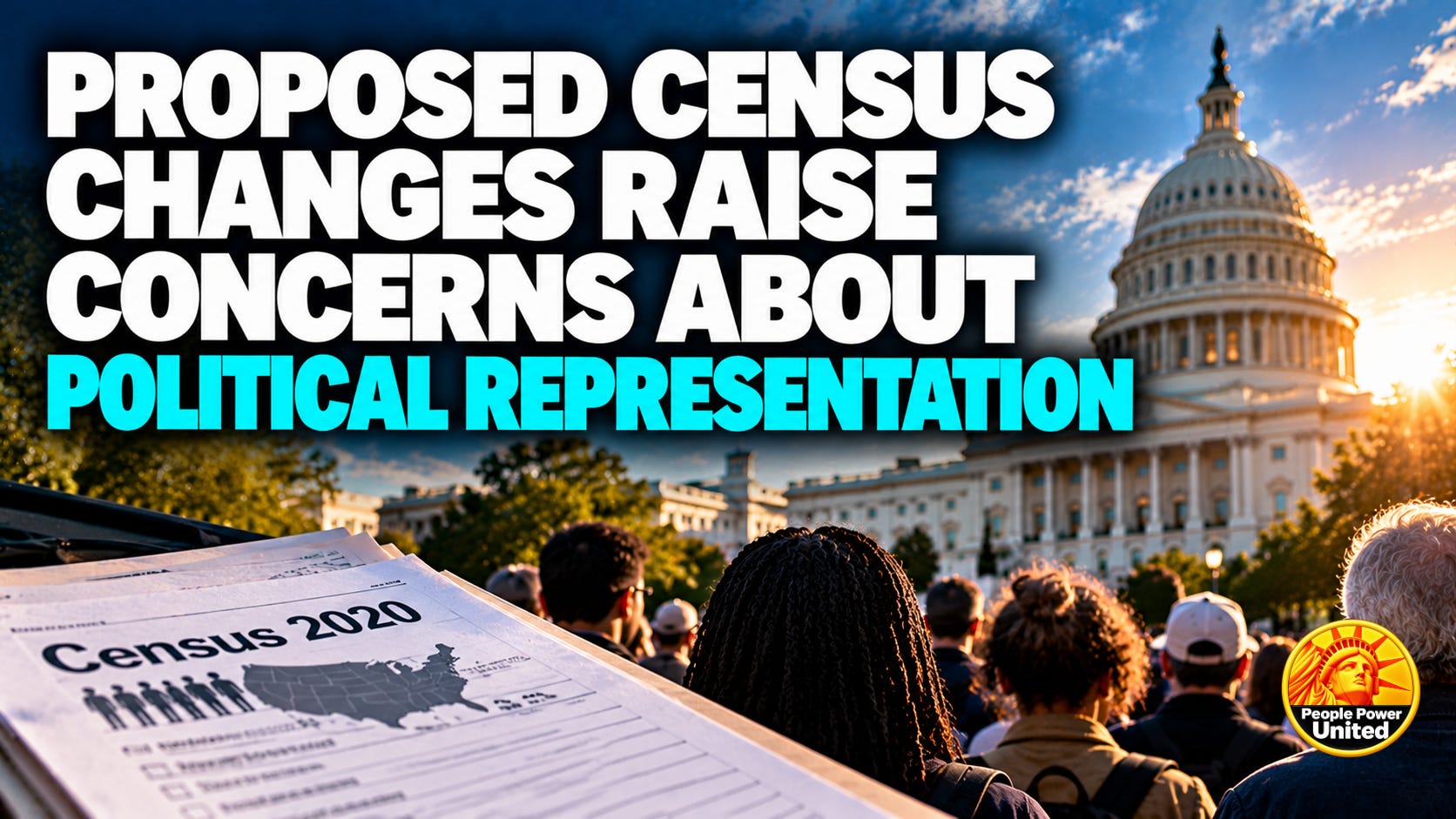
📋 Proposed census changes raise concerns about political representation
New reporting examines proposed changes at the Census Bureau that could affect congressional representation and the distribution of public resources. The administration is considering excluding most noncitizens from population figures used for congressional apportionment, changing how residency is recorded, and ending the collection of certain race and ethnicity information. Census specialists question the legality and consequences of these proposals, while administration allies advocate a different interpretation of constitutional counting requirements. The changes remain proposals, not completed revisions to the census. Congress could seek oversight, consider legislation, or use appropriations provisions to influence implementation, while courts may ultimately decide constitutional disputes. Every community deserves accurate representation. Census decisions should be grounded in law, reliable data, transparent methodology, and public scrutiny. Talking Points Memo

Speak Out, Show Up, Power to the People
Today’s reporting reveals how decisions made in government offices, corporate boardrooms, and international institutions reach directly into people’s lives.
They shape public services, military spending, political representation, economic security, and the future of our environment.
But power is not supposed to operate without limits. Government officials must answer questions. Corporations receiving public contracts must face scrutiny. Public institutions must explain their decisions and respect the law.
Independent journalism, public records, civic participation, and meaningful oversight all help make accountability possible.
We can stay informed, protect our communities, challenge misinformation, and demand decisions based on evidence rather than influence.

Speak out. Show up. Stand together. Power to the people!
Power to the People News is part of People Power United’s independent, people-powered news and action network.
Do you enjoy independent news sources powered by people, not corporate special interests?
Subscribe to Power to the People News for free, or become a paid supporter to help keep independent, people-powered news free and accessible to everyone. Corporate special interests have money and influence. We have people power. Stand with us, support independent news, and help ensure the truth remains louder than the powerful interests trying to silence it.
